Introduction
introductionImagine this: You’re in your early 50s, working in Seoul’s fast-paced professional world. Meetings run back-to-back, you switch constantly between your phone, laptop, and documents — and every few minutes, you find yourself searching for your reading glasses. Many patients tell us the same story: “Doctor, I feel younger than ever, but my eyes make me feel old.”
This is the reality of presbyopia, the natural loss of near vision that almost everyone faces after their 40s. The condition is not a disease but a part of aging. The lens inside the eye, once flexible and dynamic, stiffens over time. Suddenly, the effortless ability to focus on close objects — something most people take for granted in youth — begins to fade.
Presbyopia-correcting lens implant surgery has become one of the most effective solutions for people who want freedom from reading glasses and bifocals. But the question patients ask most often is simple: “What will my vision look like after surgery?”
At GS Eye Center in Gangnam, where we’ve been performing advanced lens implant surgeries for more than two decades, this is the conversation we have daily. Let’s walk through what you can realistically expect.
The Basics: How Presbyopia-Correcting Lens Implants Work
the-basics:-how-presbyopia-correcting-lens-implants-workTo understand post-surgery vision, it helps to know what these lenses actually do.
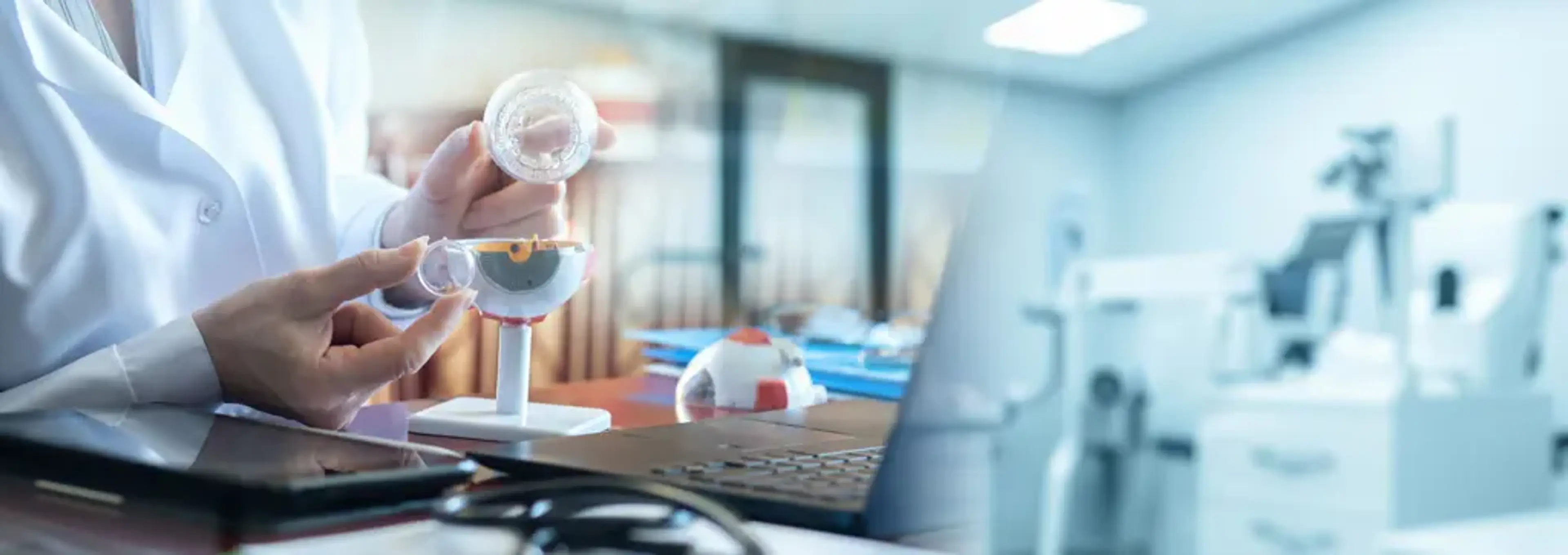
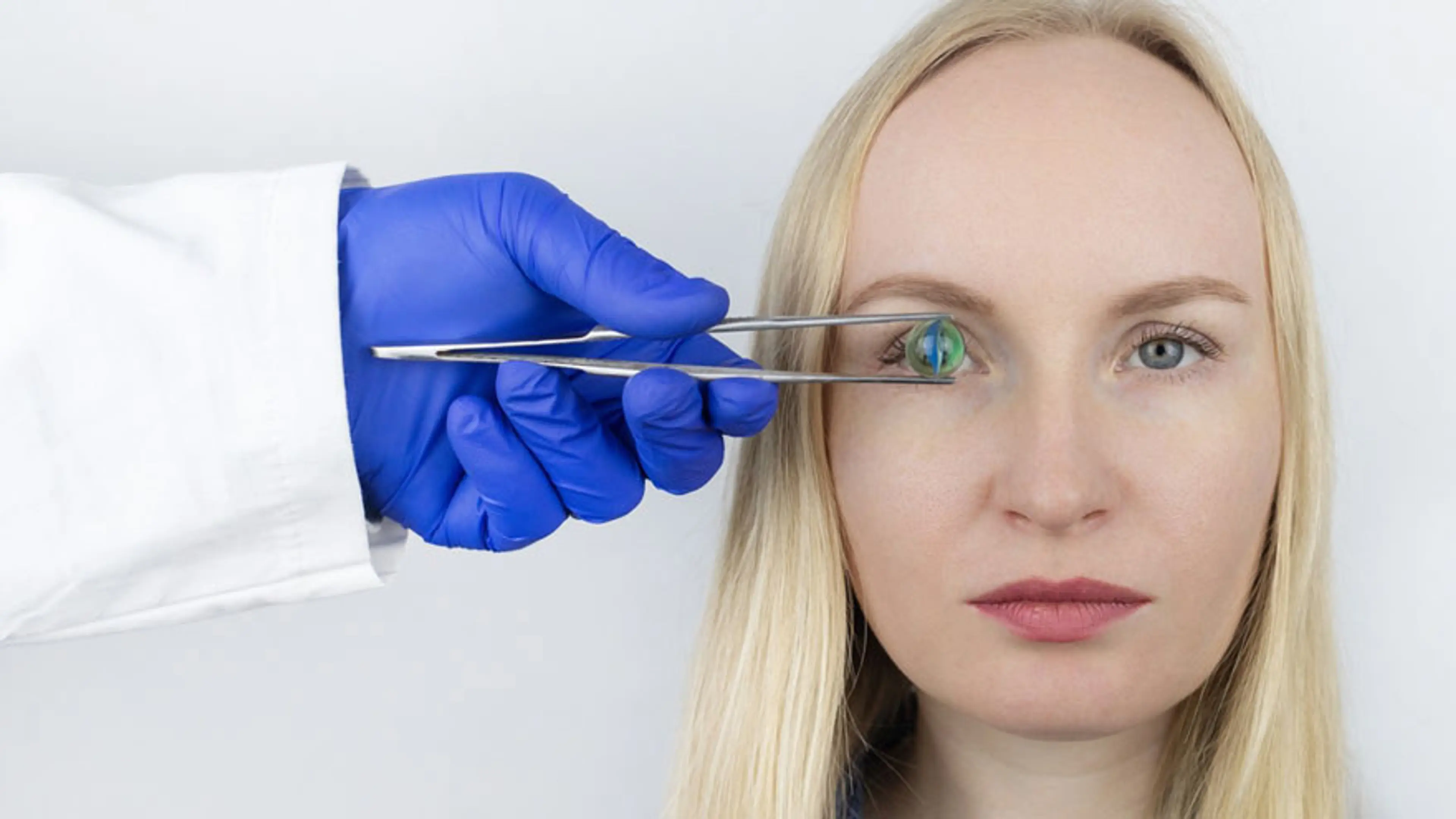
During surgery, your eye’s natural lens — which has stiffened and lost flexibility — is replaced with an artificial intraocular lens (IOL). This is a minimally invasive procedure performed under local anesthesia, often taking less than 20 minutes per eye.
Unlike a single-focus monofocal lens (used in traditional cataract surgery),
presbyopia-correcting lenses are designed to provide clear vision across a spectrum of distances:
Multifocal IOLs: Divide light into multiple focal points, allowing you to see near, intermediate, and far.
Extended Depth of Focus (EDOF) IOLs: Create a continuous range of focus, especially effective for intermediate tasks like computer work.
Trifocal IOLs: The latest generation, covering near, intermediate, and far with improved clarity.
Think of it like upgrading your camera lens. Instead of one fixed focal point, you gain a versatile lens system that adapts to different distances — whether reading a text message, working on a laptop, or admiring the Seoul skyline at night.
What Vision Looks Like Immediately After Surgery
what-vision-looks-like-immediately-after-surgery
Most patients are surprised by how quickly they notice a difference. But just as important is understanding that vision goes through phases of recovery.
Day 1–3:
Vision may feel “bright but blurry,” similar to trying on new glasses with a slightly different prescription. Some patients describe colors appearing more vivid, as if a yellow filter has been removed. This is because the artificial lens restores the natural transmission of light that cataracts or aging lenses often distort.
First week:
Many patients report being able to use their phone, read emails, and work at a computer without glasses. Distance vision stabilizes quickly, but fine print may still require effort, particularly in dim lighting. It’s normal to feel some dryness, light sensitivity, or a sensation of “something in the eye” during this period.
One month:
For the majority, vision at all distances has settled into a balanced state. Tasks such as reading, driving, and using digital devices feel natural again. Nighttime vision may still include halos around headlights, but most patients adapt rapidly.
To be honest, the biggest reaction we hear is: “I can’t believe I just picked up a menu without glasses.” That moment often feels like regaining a part of daily life that presbyopia had quietly taken away.
How Vision Feels in Daily Life After Recovery
how-vision-feels-in-daily-life-after-recoveryBy the one-to-three month mark, most patients experience what we call functional spectacle independence. This means they can comfortably perform 90–95% of daily activities without glasses.
At work: Professionals can switch between monitors, glance at documents, and check a smartphone seamlessly. This is particularly valued in Korea’s fast-paced corporate culture, where productivity and multitasking are daily demands.
Social situations: Patients enjoy going out without the constant need to reach for reading glasses. Ordering at a café, checking a subway map, or taking vacation photos becomes effortless.
Hobbies and lifestyle: Whether it’s sewing, cooking, reading, or golfing, patients report renewed ease. One avid golfer told us he could read his scorecard and line up a long-distance putt without changing glasses — something he hadn’t done in years.
It’s not just about sharper sight. It’s about regaining the flow of life without constant interruptions from glasses.
What Patients Should Know About Visual Quality
what-patients-should-know-about-visual-qualityWhile these lenses provide excellent functional vision, it’s important to set realistic expectations.
Near vision: Most patients can read comfortably without glasses, though extremely fine print (like medicine labels) in dim light may still be a challenge.
Intermediate vision: This is a strong advantage of modern IOLs, making computer work, cooking, and dashboard reading much easier.
Distance vision: Typically sharp and stable, allowing patients to drive, watch performances, or enjoy landscapes without glasses.
The key is balance. Instead of one “perfect” distance, you gain functional clarity across a wide spectrum.
Possible Side Effects and Brain Adaptation
possible-side-effects-and-brain-adaptation
It’s natural to wonder about side effects. Some patients notice halos, glare, or starbursts around lights — especially when driving at night. These occur because multifocal or trifocal lenses split light into different focal points.
At GS Eye Center, we always emphasize: these effects usually diminish over time. The brain has remarkable adaptability. Within 3–6 months, most patients barely notice halos, as the brain filters unnecessary visual information.
Another common adjustment is contrast sensitivity. Some patients initially find that very subtle shades or low-light conditions feel slightly less distinct. This too improves with adaptation.
In essence, the journey after lens implantation is not just about the eye. It’s about the brain learning a new way of seeing.
Why Technology and Diagnostics Matter
why-technology-and-diagnostics-matterNot all eyes are suited to every type of presbyopia-correcting lens. This is where pre-surgical testing makes all the difference.
At GS Eye Center, we conduct extensive diagnostics, including:
Corneal mapping (topography) to assess shape and health.
Ocular biometry for precise measurement of eye length and curvature.
Retinal OCT scans to rule out macular degeneration or retinal disease.
For example, a patient with early macular degeneration may not benefit from a multifocal lens but could achieve excellent results with an EDOF lens. Another with significant astigmatism may require a toric version of a presbyopia-correcting IOL.
What people often overlook is this: The success of presbyopia-correcting surgery depends as much on the right lens selection as on the surgical procedure itself.
A Look 6–12 Months Later: Life Without Glasses
a-look-6-12-months-later:-life-without-glassesThe most rewarding part of follow-up visits is hearing how life changes after surgery.
A teacher who once juggled multiple pairs of glasses now enters the classroom free-handed, confident in front of her students.
A business executive told us he feels “10 years younger” in meetings, no longer peering over bifocals.
A grandmother shared how she can finally read bedtime stories without stopping to find her glasses, making those moments with her grandchildren more natural and connected.
For many, it’s not just about clearer sight. It’s about regaining independence, confidence, and even a sense of youth.
When to Consider Surgery
when-to-consider-surgeryLens implant surgery is not for everyone. But it may be the right step if:
You’re in your late 40s to 60s and presbyopia is disrupting work, hobbies, or social life.
You want to reduce or eliminate your dependence on reading glasses or bifocals.
You have early cataracts and prefer a long-term, advanced solution.
You value convenience — especially if you travel frequently or lead a busy professional life.
For many patients, the surgery is also a proactive choice. Instead of waiting until cataracts develop later in life, they opt for lens replacement now to restore youthful vision and enjoy years of freedom from glasses.
The GS Eye Center Approach
the-gs-eye-center-approachAt GS Eye Center in Gangnam, we’ve been performing advanced lens implant surgeries for more than 20 years. Under the leadership of
Dr. Kim Moo-Yeon, a former university professor and internationally recognized ophthalmologist, our team of seven board-certified specialists combines global expertise with the latest technology.
What sets our approach apart is not only surgical precision but also patient experience. From thorough diagnostics and lens selection to same-day consultation-to-surgery pathways, every step is designed to reduce patient stress and maximize safety.
We believe that surgery is not just about replacing a lens. It’s about restoring confidence, independence, and quality of life.
Final Thought
final-thoughtSo, what does vision look like after presbyopia-correcting lens implant surgery?
It looks like freedom. It looks like the ability to read a message, glance at your computer, and admire Seoul’s skyline — all without reaching for glasses.
If presbyopia has been limiting your daily life, consider scheduling a lens implant evaluation at a trusted clinic like
GS Eye Center. With today’s technology and careful patient matching, clear, youthful vision is closer than you think.