Introduction
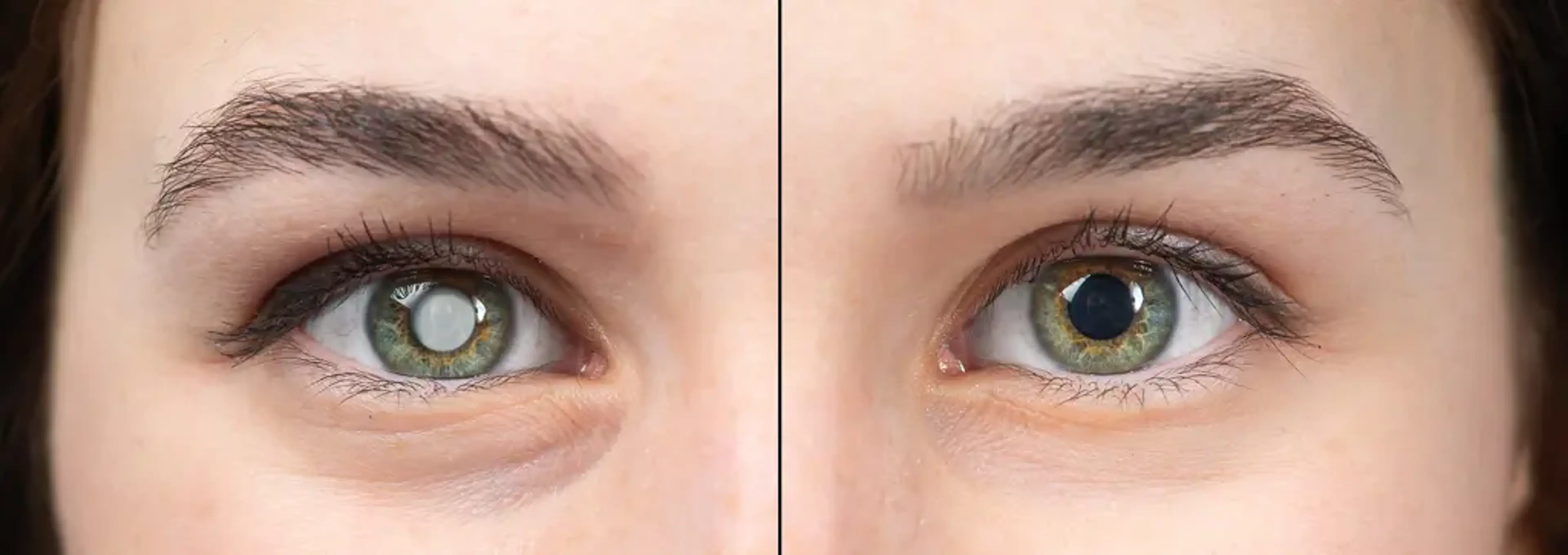
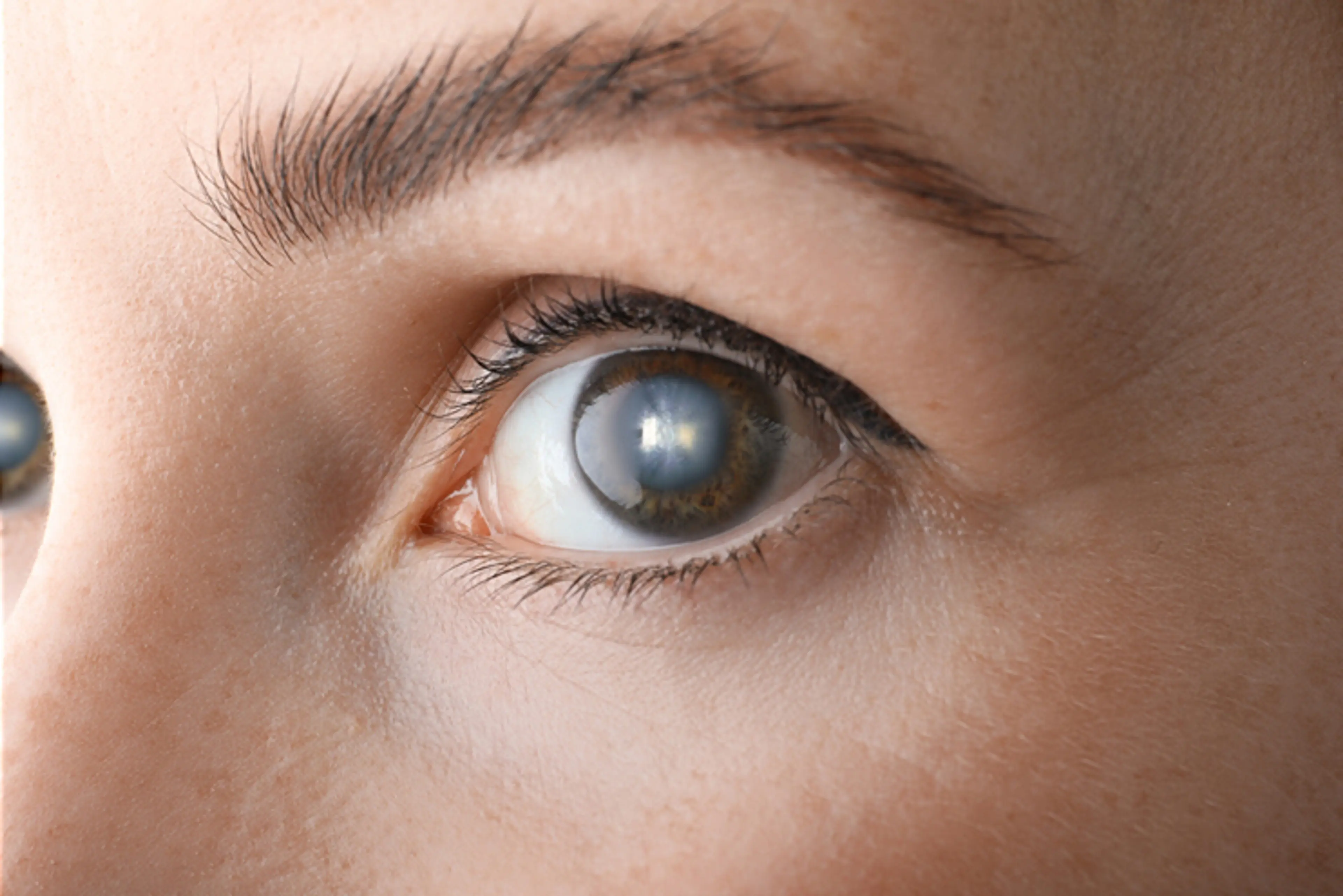
introductionImagine looking through a window that has a fine layer of dust or scratches. No matter how clean the room behind it may be, your view is blurred. This is very similar to how the cornea works in your eye. The cornea is the clear, dome-shaped front surface that covers the iris (the colored part of the eye) and the pupil (the black circle that lets in light). Though it may look simple and transparent, the cornea is one of the most important structures in the eye — responsible for focusing light and protecting delicate inner tissues.
At GS Eye Center in Gangnam, where we specialize in advanced vision correction and corneal treatments, we often tell patients: your cornea is like the lens cover of a camera — if it’s damaged, cloudy, or uneven, the entire image suffers. Let’s explore why the cornea matters so much, what can go wrong, and how modern ophthalmology can restore its clarity.
The Cornea’s Role in Vision
the-cornea's-role-in-visionThe cornea serves as both a shield and a lens:
Protective barrier: It guards the eye against dust, germs, and foreign particles, working as the first line of defense. Despite being only about half a millimeter thick at the center, it is surprisingly strong. It also filters out some of the sun’s ultraviolet (UV) radiation, reducing the risk of internal eye damage.
Optical precision: About two-thirds of the eye’s total focusing power comes from the cornea. Its smooth, curved surface bends (refracts) incoming light so it can be sharply focused on the retina. Without this refraction, vision would be blurry no matter how healthy the retina or the internal lens may be.
To put it simply, if the retina is like a cinema screen, the cornea is the projector’s lens that directs light onto it. Even a small distortion in corneal shape can affect vision clarity dramatically — which is why procedures like
SMILE Pro or
LASIK that fine-tune corneal curvature can have such life-changing results.
Layers of the Cornea: More Than Just a Clear Surface
layers-of-the-cornea:-more-than-just-a-clear-surface
Many patients are surprised to learn that the cornea isn’t a single sheet of tissue — it has five specialized layers (in fact, some researchers describe six). Each one plays a unique role:
Epithelium – The outermost layer, acting like skin for the eye. It protects against bacteria and foreign bodies, and it heals remarkably quickly. This is why minor scratches on the eye (corneal abrasions) often resolve within a few days.
Bowman’s layer – A tough, protective layer beneath the epithelium. It does not regenerate if damaged, but it helps maintain corneal shape and clarity.
Stroma – The thickest layer, making up about 90% of the cornea’s thickness. Its collagen fibers are arranged in a perfectly ordered lattice, which allows light to pass through without scattering. If this arrangement is disrupted — by scarring or swelling — vision becomes hazy.
Descemet’s membrane – A thin but durable sheet that supports the endothelium and resists infection.
Endothelium – A single layer of “pump cells” that remove excess fluid from the stroma. Without these cells, the cornea would swell and lose transparency.
Some experts also describe a sixth layer, Dua’s layer, discovered in 2013, which may play a role in surgical outcomes.
At GS Eye Center, we use advanced imaging such as corneal OCT (optical coherence tomography) and specular microscopy to assess these layers in detail. This helps us decide whether a patient is a good candidate for procedures like laser vision correction or corneal transplants. Patients often tell us that simply seeing the detailed “map” of their cornea during the consultation helps them feel more reassured about their treatment choices.
What Happens When the Cornea Isn’t Healthy?
what-happens-when-the-cornea-isn't-healthyBecause the cornea must stay clear and precisely curved, even small changes can disrupt vision. Common corneal issues include:
Refractive errors (myopia, hyperopia, astigmatism) – Usually caused by irregular curvature of the cornea. Glasses or contact lenses can correct the light refraction, but surgical solutions like SMILE Pro reshape the cornea itself for lasting results.
Dry eye syndrome – When the tear film isn’t stable, the corneal surface becomes rough, leading to blurred or fluctuating vision. In Korea, where screen use is extremely high, dry eye is one of the most common complaints we see.
Keratoconus – A progressive disease where the cornea thins and bulges outward into a cone shape. This leads to distorted vision and can eventually require specialized lenses or surgery.
Corneal infections or scars – Trauma, contact lens misuse, or viral/bacterial infections can leave scars that scatter light.
Fuchs’ dystrophy – A condition where endothelial cells deteriorate, leading to fluid buildup and cloudy vision.
To be honest, many patients assume vision problems come only from the retina or cataracts. But in reality, corneal clarity is just as crucial as the lens inside the eye.
Why the Cornea Is Central to Modern Eye Surgery
why-the-cornea-is-central-to-modern-eye-surgery
Advances in ophthalmology, especially in Korea, have focused heavily on the cornea because of its dominant role in vision. At GS Eye Center, most of the procedures we perform — from SMILE Pro laser vision correction to lens implants and corneal treatments — are designed to either reshape or preserve corneal clarity.
Laser correction (SMILE Pro, LASIK, LASEK): These procedures reshape the cornea so light focuses correctly on the retina. SMILE Pro, in particular, uses a “micro keyhole” approach — safer for busy professionals since recovery is faster and the cornea remains biomechanically stronger.
Cataract surgery with premium lenses: While the cataract itself is in the natural lens, we carefully assess corneal health before surgery. An irregular or unhealthy cornea can limit visual outcomes, even with the most advanced lens implants.
Corneal cross-linking: A treatment for keratoconus that strengthens the corneal fibers, preventing further thinning.
Corneal transplants (PK, DALK, DMEK): In severe cases, part or all of the cornea may be replaced with donor tissue. Modern techniques are increasingly selective, replacing only the damaged layer instead of the entire cornea, which shortens recovery time.
What people often overlook is how much pre-surgical corneal diagnostics determine safety. We use wavefront analysis, corneal tomography, and endothelial cell counts to create a “map” of each patient’s cornea before recommending treatment. This detailed work behind the scenes is why procedures at GS Eye Center are not just precise but also safer.
Everyday Habits That Protect Your Cornea
everyday-habits-that-protect-your-corneaEven if you’re not considering surgery, keeping your cornea healthy supports lifelong vision:
Contact lens hygiene: Avoid overwearing or sleeping in contact lenses. Long-term misuse is one of the most common causes of corneal infection.
Protective eyewear: Sunglasses that block UV rays and safety glasses during sports or DIY projects protect against trauma and UV-related corneal damage.
Screen management: Take regular breaks to reduce digital eye strain and dry eye. Using artificial tears can help maintain corneal hydration.
Nutrition: A diet rich in omega-3 fatty acids, vitamin A, and antioxidants supports tear quality and corneal health.
Regular eye exams: Subtle corneal diseases like early keratoconus are often detected only through specialized testing — something that can prevent vision loss if caught early.
Simple steps go a long way, because the cornea doesn’t have blood vessels to deliver nutrients — it relies on tears and surrounding fluids, making it vulnerable if neglected.
The GS Eye Center Perspective
the-gs-eye-center-perspectiveWith over 20 years of experience in corneal and refractive surgery, GS Eye Center in Gangnam has seen how transformative corneal care can be. Patients who arrive anxious about blurry or distorted vision often leave surprised by how clear and comfortable their eyesight becomes after proper treatment.
Dr. Kim Moo-Yeon, our medical director, often compares treating the cornea to polishing a lens:
“Once the surface is restored, the whole image changes.” For us, that clarity is not just physical — it’s about helping patients regain confidence in their daily lives.
One young professional we treated had keratoconus that made night driving nearly impossible. After corneal cross-linking combined with a custom contact lens fitting, she was able to return to evening commutes without halos or starbursts. Another patient, a frequent traveler, chose SMILE Pro for vision correction. He was amazed that within 48 hours, he was already able to navigate airports comfortably without glasses — with no flap-related concerns that LASIK might pose.
Stories like these remind us that corneal care is not only about treating disease, but about giving patients freedom and confidence in their daily lives.
Final Thought: Why You Should Care About Your Cornea
final-thought:-why-you-should-care-about-your-corneaThe cornea may be invisible to the naked eye, but it quietly does the majority of the work to give you sharp, comfortable vision. When it loses transparency or shape, even the healthiest retina and lens cannot fully compensate.
If you’ve noticed halos around lights, persistent dry eye, or blurry vision despite glasses, it may be more than just a prescription issue — your cornea could be the key. At a specialized center like
GS Eye Center, we can examine the cornea in detail and guide you toward treatments that preserve or restore its clarity.
Because in the end, the difference between seeing and truly seeing clearly begins at the very front of your eye — your cornea.