Introduction
introduction:-the-doctorpetit-philosophyBy GS Eye Center, Gangnam, Seoul
When most people hear the word cataract, they think of cloudy vision — like looking through a fogged window. But what’s often overlooked is that successful cataract surgery begins long before you step into the operating room. The days and weeks leading up to surgery are just as important as the procedure itself.
At GS Eye Center in Gangnam, where cataract and lens surgeries are performed daily, we see how proper preparation directly impacts recovery speed and visual outcomes. This guide explains what patients should know — from dietary tips to medication adjustments — so you can approach your surgery day with confidence and peace of mind.
Understanding Cataract Surgery in Modern Korea
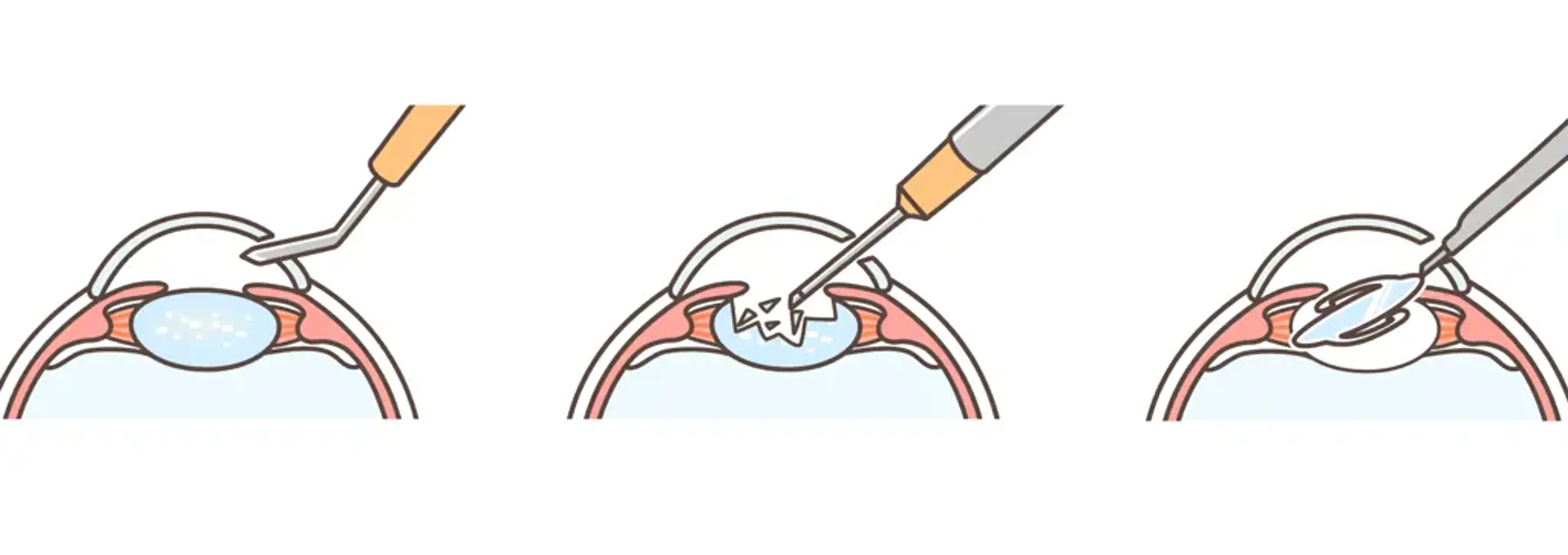
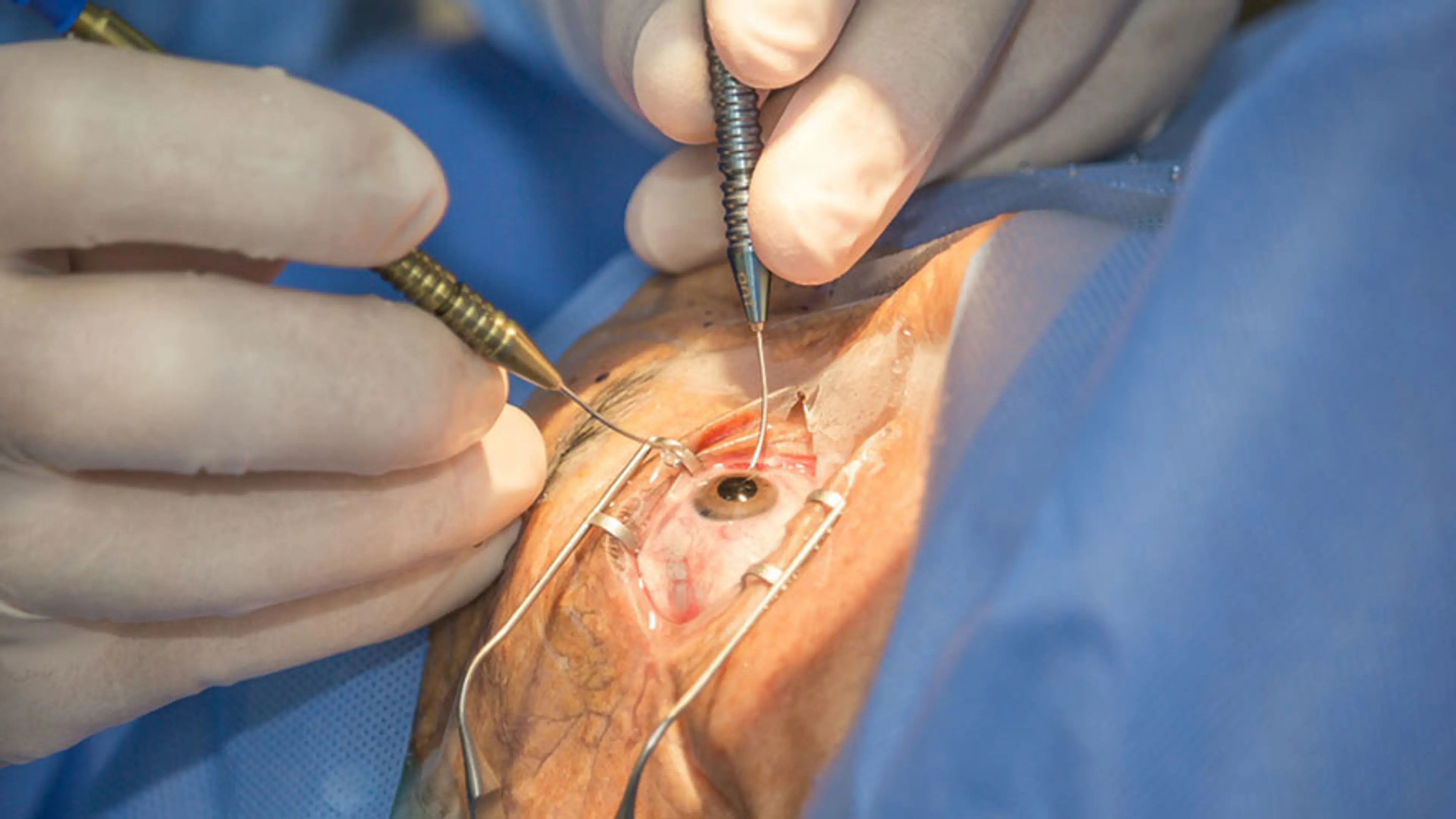
understanding-cataract-surgery-in-modern-koreaCataract surgery today is far more precise and gentle than most people imagine. Modern techniques use ultrasound or laser-assisted systems to remove the cloudy natural lens and replace it with a clear artificial one, known as an intraocular lens (IOL).
At GS Eye Center, we use high-resolution diagnostic imaging and femtosecond laser systems to customize the procedure to each eye’s curvature and depth. These technologies make cataract surgery not only safer but also a chance to improve vision — often correcting nearsightedness, farsightedness, or astigmatism at the same time.
Still, technology alone isn’t enough. A smooth recovery begins with a well-prepared patient.
1. A Week Before Surgery: Getting Ready the Smart Way
1.-a-week-before-surgery:-getting-ready-the-smart-way
The week before cataract surgery is when most of the groundwork is laid. Here’s what typically happens — and why it matters.
Complete Pre-Surgical Tests
complete-pre-surgical-testsYour ophthalmologist will perform a detailed set of biometric measurements — such as corneal curvature, eye length, and lens position — to select the ideal IOL power. At GS Eye Center, these diagnostics are done using AI-assisted ocular mapping systems, ensuring that every micrometer of your eye is measured precisely.
Patients are often surprised by how much these numbers affect their results. A fraction of a millimeter in measurement can make the difference between needing glasses afterward or seeing clearly without them.
Start or Adjust Eye Drops
start-or-adjust-eye-dropsIn some cases, your doctor may prescribe antibacterial or anti-inflammatory eye drops a few days before surgery to lower the risk of infection and inflammation.
Avoid starting over-the-counter drops or herbal eye solutions unless your ophthalmologist specifically approves them. Some natural drops can alter tear film or increase irritation.
Review Medications and Supplements
review-medications-and-supplementsCertain medications can interfere with anesthesia or healing. For instance:
Blood thinners (like aspirin, warfarin, or clopidogrel) may need temporary adjustment.
Alpha-blockers used for prostate conditions can affect pupil dilation during surgery.
Diabetes medications sometimes need scheduling adjustments if you’ll fast before the procedure.
At GS Eye Center, every patient’s medication list is carefully reviewed in advance, in consultation with their primary care physician when needed. This step reduces surprises and ensures both safety and stability.
2. What to Eat (and Avoid) Before Cataract Surgery
2.-what-to-eat-(and-avoid)-before-cataract-surgeryDiet plays a subtle but powerful role in surgical preparation and healing. Think of it as “fueling” your eyes and body for recovery.
Eat Light, Clean, and Nutrient-Rich
eat-light-clean-and-nutrient-richA few days before surgery, prioritize:
Leafy greens and bright vegetables (rich in antioxidants like lutein and zeaxanthin that support the retina)
Fish high in omega-3 fatty acids, such as salmon or mackerel, which promote healthy tear film
Hydration — plain water or light soups to keep your body balanced
If you have diabetes, keep your blood sugar stable; high glucose levels can delay healing or increase the risk of postoperative inflammation.
Foods and Drinks to Avoid
foods-and-drinks-to-avoidAlcohol — can dehydrate you and interfere with anesthesia
Caffeine — best limited the day before, as it may increase preoperative jitters
Heavy or salty foods — can cause puffiness or mild inflammation
On the day of surgery, most clinics (including GS Eye Center) recommend no solid food 6–8 hours beforehand. Water is usually fine up to two hours before, unless otherwise directed.
3. The Night Before Surgery: Calm and Organized
3.-the-night-before-surgery:-calm-and-organizedThe evening before surgery is when most patients feel a mix of excitement and anxiety. That’s completely normal. At GS Eye Center, we often remind patients that cataract surgery is one of the safest and most commonly performed procedures worldwide, with success rates above 99%.
Follow Pre-Surgery Instructions Carefully
follow-pre-surgery-instructions-carefullyUse prescribed antibiotic eye drops as directed.
Wash your face thoroughly but avoid applying lotions or makeup near the eyes.
Prepare comfortable clothing for the next day — something loose around the neck and shoulders.
Arrange transportation, as you cannot drive home immediately after surgery.
To be honest, most patients are surprised by how quick the actual procedure feels — often under 15 minutes per eye — and how little discomfort they experience.
4. The Morning of Surgery: Small Details, Big Impact
4.-the-morning-of-surgery:-small-details-big-impact
On the day of your cataract surgery:
Do not wear contact lenses or eye makeup.
Skip perfume, hairspray, or aftershave. These can irritate the eyes or affect the sterile environment.
Bring your ID, medical records, and any prescribed drops with you.
If you take essential morning medications (such as those for blood pressure), confirm with your doctor whether to take them with a sip of water.
At GS Eye Center, our surgical coordinators review each step with you upon arrival. This calm, guided process helps lower stress — something that can actually make your eyes more stable during surgery.
5. After Surgery: The Recovery Starts Immediately
5.-after-surgery:-the-recovery-starts-immediatelyCataract surgery recovery is often much faster than people expect. Most patients notice improved brightness and clarity within hours or days. But the first 48 hours remain crucial.
Use Your Drops Exactly as Prescribed
use-your-drops-exactly-as-prescribedYou’ll likely receive a combination of antibiotic, anti-inflammatory, and lubricating drops. Missing doses or stopping too early can delay healing or cause discomfort.
Protect Your Eyes
protect-your-eyesWear UV-protective sunglasses outdoors and a clear eye shield at night to avoid accidental rubbing.
Rest and Let Vision Stabilize
rest-and-let-vision-stabilizeIt’s normal for vision to fluctuate slightly in the first few days. Avoid heavy exercise, swimming, or dusty environments for about a week.
At GS Eye Center, we schedule close postoperative follow-ups to track healing using digital imaging systems that detect even microscopic changes in corneal shape. This precision ensures patients heal safely and enjoy long-lasting clarity.
Why Preparation Matters More Than People Think
why-preparation-matters-more-than-people-thinkWhat people often overlook is that cataract surgery is not just about removing a cloudy lens — it’s about restoring quality of life.
Preparation ensures that both your body and your eyes are in the best possible condition to accept the new intraocular lens.
We’ve seen again and again: patients who take the time to follow pre-surgical guidance — adjusting diet, reviewing medications, and maintaining calm — experience smoother surgeries, faster visual recovery, and fewer postoperative fluctuations.
The GS Eye Center Approach: Precision with a Human Touch
the-gs-eye-center-approach:-precision-with-a-human-touchSince its founding in 2005, GS Eye Center in Gangnam has specialized in advanced cataract and lens implant surgeries under the direction of Dr. Kim Moo-Yeon, a former university professor and global expert in refractive and cataract surgery.
Our approach combines:
High-resolution ocular diagnostics for customized surgical planning
Minimally invasive techniques that promote rapid healing
Personalized care — from preoperative counseling to detailed follow-up
Whether you are a Seoul resident or an international visitor seeking premium eye care, our team ensures that your cataract journey feels calm, informed, and empowering.
Final Thought: Preparing for Clarity
final-thought:-preparing-for-clarityCataract surgery is more than a medical procedure — it’s a turning point in how you experience the world.
By eating well, managing your medications carefully, and following your doctor’s instructions, you give your eyes the best foundation for clear, lasting vision.
If you’re considering cataract surgery or want to learn more about lens options, schedule a detailed consultation at GS Eye Center in Gangnam.
Our specialists will walk you through every step — from preparation to recovery — so you can face surgery day with complete confidence.