Home / Articles
Frequent Flyers: Best Eye Care Tips for Long Flights
Home / Articles
Frequent Flyers: Best Eye Care Tips for Long Flights
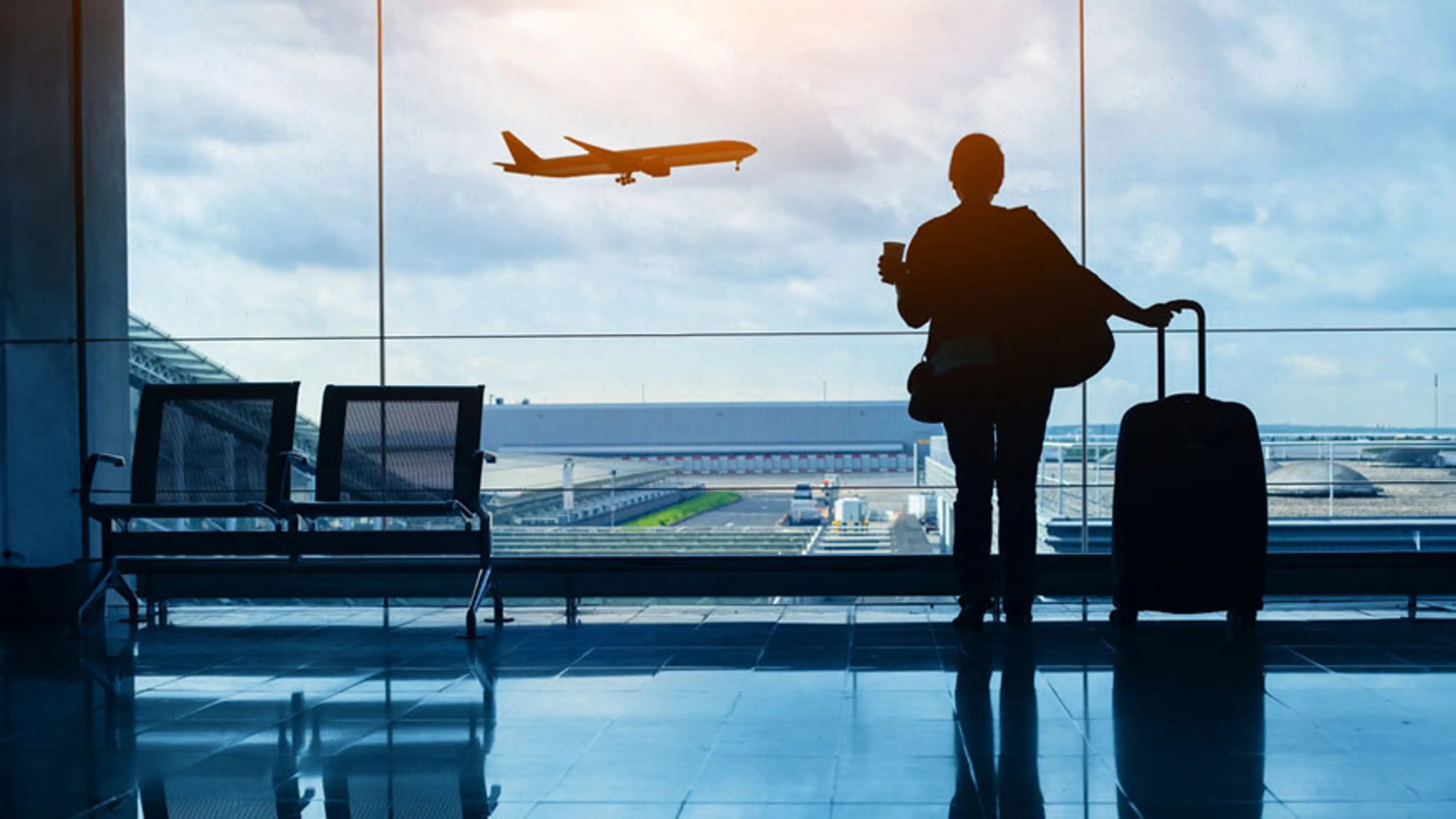
It’s 3 a.m. on a transpacific flight. The cabin lights are dim, the air feels dry, and your eyes sting every time you blink. You reach for your eyedrops again, hoping for relief that doesn’t last long. If you’ve ever taken a long-haul flight — especially between Seoul and destinations like New York, London, or Singapore — this scenario might feel all too familiar.
At GS Eye Center in Gangnam, we often meet frequent flyers — business professionals, pilots, and international students — who struggle with persistent dryness, blurry vision, or irritation after flights. These issues might seem minor at first, but over time, the combination of low humidity, disrupted sleep, and digital screen use can take a real toll on your eyes.
Airplane cabins are pressurized at around 8,000 feet — similar to being on a mountain — and humidity levels drop to below 20%. That’s much lower than the 40–60% your eyes are used to on the ground. In such dry air, the tear film that protects your cornea evaporates rapidly.
Patients often describe it as “a gritty, sandy feeling” or say that their contact lenses feel tighter or sticky. If you’re already prone to dry eyes — perhaps due to contact lens wear, refractive surgery, or long hours on digital devices — the effects can be even stronger.
Long flights often mean hours of watching in-flight movies, scrolling through a phone, or working on a laptop. What many people don’t realize is that focusing on a screen reduces your blink rate by nearly 60%. Fewer blinks mean less tear distribution — and even faster drying.
Though not harmful for most passengers, the drop in cabin pressure can cause mild, temporary changes in intraocular pressure (IOP). For healthy eyes, this isn’t an issue. But for people with glaucoma, recent eye surgery, or retinal conditions, even slight fluctuations can cause discomfort. That’s why we always advise patients with these conditions to discuss travel plans with their ophthalmologist first.
The best defense for your eyes starts before boarding. Just as athletes warm up before a marathon, your eyes need preparation for the strain of long travel.
Drink plenty of water in the 24 hours before your flight. Staying well-hydrated helps maintain your tear film. Avoid excessive caffeine and alcohol, which can dehydrate both your body and your eyes.
Contact lenses can exacerbate dryness during flights. If possible, wear glasses instead — especially on overnight flights. At GS Eye Center, we often recommend daily disposable lenses for frequent flyers, since they minimize bacterial buildup and can be discarded after landing.
Apply preservative-free artificial tears before boarding. Think of this as “coating your cornea” for protection. Avoid redness-reducing drops, which may make your eyes feel drier later on.
Yes — even for flights. If you plan to sit by the window, UV exposure at high altitudes can be up to twice as intense as on the ground. Quality sunglasses (UV400 protection) reduce glare and protect your retina from long-term damage.
Every 20–30 minutes, look away from your screen and blink deliberately for a few seconds. This helps restore moisture and prevents “evaporative dry eye.” Some patients even set gentle reminders on their smartwatch to do this.
Reapply lubricating drops every few hours. In our clinic, we often recommend preservative-free hyaluronic acid drops, which provide long-lasting hydration without irritation.
Direct airflow can rapidly dry your eyes. Tilt the overhead vent away from your face or turn it off completely.
If you plan to rest, use a soft eye mask. This simple habit helps prevent the air from drying out your eyes and reduces puffiness upon waking.
Avoid prolonged exposure to bright cabin lights or screens in the dark, which can strain your eyes. Dim your screen and use the night mode option when available.
After a long flight, your eyes — like your skin — need time to rehydrate. Drink plenty of water, and avoid rubbing your eyes even if they feel itchy.
If you wore contact lenses, replace them after landing. This helps prevent infection or inflammation from bacteria that may have accumulated during the flight.
A warm compress for 5–10 minutes can stimulate oil glands in your eyelids (the meibomian glands), helping restore your tear film’s natural balance.
If your eyes still feel tired, try the “20-20-20 rule” for a day or two: every 20 minutes, look at something 20 feet away for 20 seconds. It’s a simple way to relax your eye muscles and restore comfort.
At GS Eye Center, we often receive questions like:
“Is it safe to fly after laser vision correction?”
“How soon after cataract surgery can I travel abroad?”
The answer depends on the procedure and your healing progress.
SMILE Pro, which uses a keyhole incision rather than a flap, tends to cause less postoperative dryness, making it a preferred option for travelers and professionals who fly often.
Jet lag doesn’t just affect sleep — it can also impact your eyes. Irregular sleep patterns reduce tear production and can worsen dryness or light sensitivity.
Try to adjust your sleep schedule a day or two before travel, and once on board, match your rest to your destination’s time zone. Keeping your eyes and body on rhythm helps stabilize tear quality and comfort.
Occasional dryness or mild redness after a long flight is normal. But if you experience:
Persistent irritation or foreign-body sensation
Blurry or fluctuating vision lasting more than 24 hours
Pain, light sensitivity, or discharge
…it’s best to see an ophthalmologist promptly.
Travel shouldn’t come at the cost of comfort or vision clarity. Whether you’re a consultant flying weekly between Seoul and Tokyo or a pilot spending hours in dry cabin air, protecting your eyes is about consistency, not complication.
Dr. Kim Moo-Yeon and the GS Eye Center team combine 20 years of ophthalmic expertise with advanced diagnostic care to help patients maintain healthy eyes, even under the stress of modern travel.
We’ve seen how small adjustments — like switching to SMILE Pro for less dryness, or using personalized eye lubricants for frequent flyers — can make a major difference.
Flying may be part of your lifestyle, but eye discomfort doesn’t have to be. With a few proactive steps — proper hydration, protective eyewear, and the right eye care routine — your vision can stay as clear at 35,000 feet as it is on the ground.