Introduction
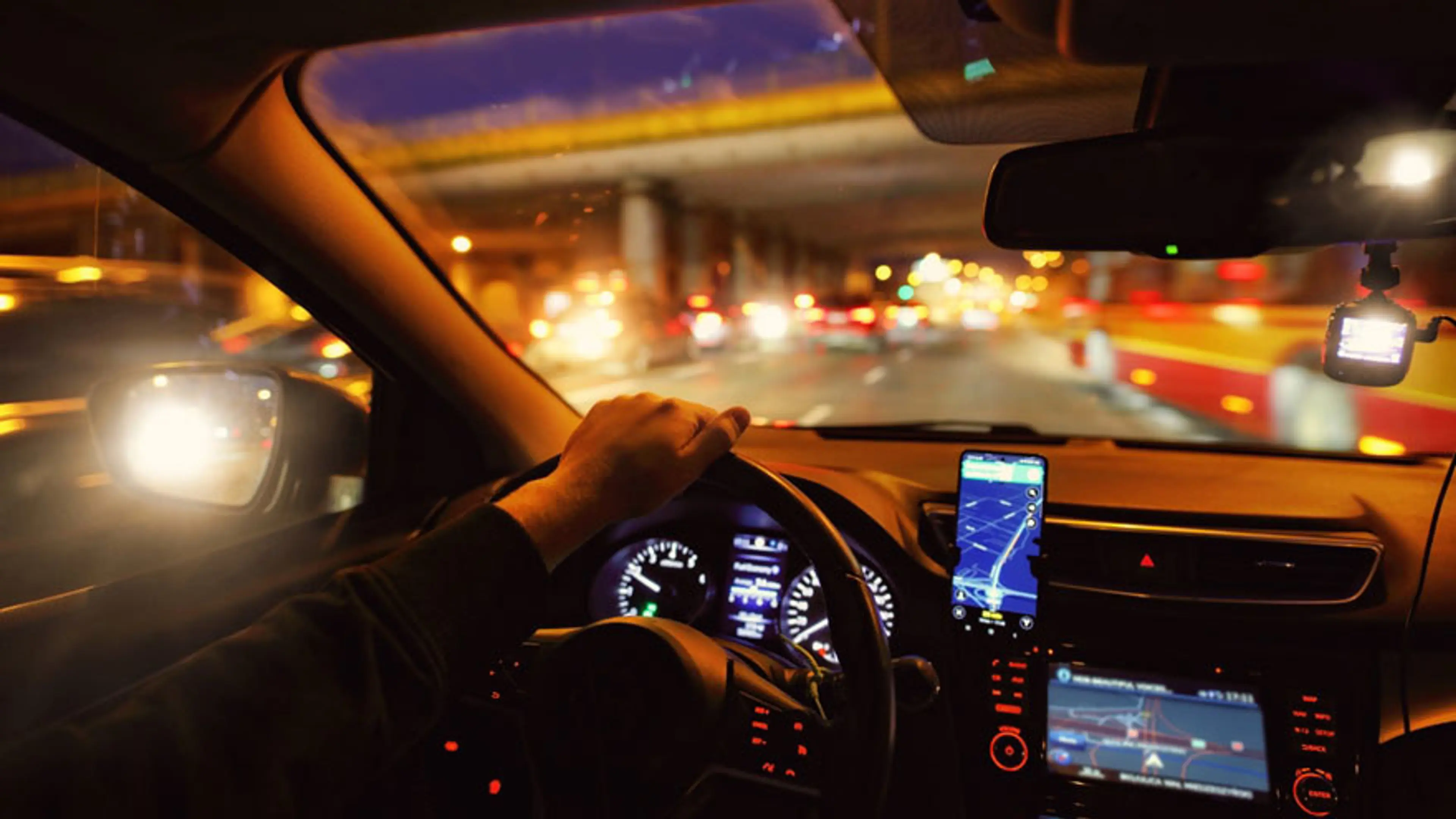
introduction:-subtle-enhancement-not-exaggerationIt often begins quietly. You’re driving home after work — the streets of Seoul glowing with headlights and neon reflections — when you realize something feels off. Headlights from oncoming cars seem harsher than before. You struggle to read street signs or lane markers that once looked crisp and clear. You blink, refocus, and assume your eyes are just tired from the day.
But in many cases, that subtle strain isn’t just fatigue. It can be one of the earliest signs that your vision — and specifically, your night vision — is changing.
At GS Eye Center in Gangnam, we meet patients every week who describe this exact experience. They come in saying, “I can see fine during the day, but driving at night has become stressful.” Often, that symptom points to early cataract formation, uncorrected astigmatism, or even mild dryness on the corneal surface — all manageable once properly diagnosed.
Why Our Eyes Struggle More in the Dark
why-our-eyes-struggle-more-in-the-darkHuman vision depends on a precise balance of optics and light sensitivity. In daylight, your pupils constrict, and the lens and retina work together to produce sharp, high-contrast images. At night, your pupils dilate to let in more light, but that also makes small visual imperfections — like irregular astigmatism, cloudy lenses, or unstable tears — much more noticeable.
As we age, these changes become more common. The cornea and lens lose some transparency, the retina’s rod cells (which detect low light) become less efficient, and contrast perception decreases. The result? You see glare, halos, or a sense that your vision “just isn’t clear enough.”
Physiological reasons for declining night vision include:
Reduced pupil responsiveness: Older pupils dilate less in the dark, limiting light intake.
Lens aging or opacity: The natural crystalline lens begins scattering light, leading to glare or ghosting.
Retinal sensitivity loss: The retina’s ability to perceive subtle contrast fades with age or systemic conditions.
Tear film instability: An uneven tear layer bends incoming light irregularly, producing transient blur.
When these factors combine, nighttime tasks like driving, reading illuminated signs, or adjusting to bright headlights can suddenly become uncomfortable.
Common Causes of Night Vision Problems
common-causes-of-night-vision-problems
Night driving difficulty is not a single condition but rather a symptom of various underlying eye issues. Recognizing which one applies to you is key to effective treatment.
1. Early Cataracts — When the Lens Starts to Cloud
1.-early-cataracts-when-the-lens-starts-to-cloudA cataract forms when the natural lens of the eye becomes cloudy, scattering incoming light instead of focusing it precisely on the retina. Even in early stages, cataracts can significantly reduce contrast sensitivity — one of the most important elements of safe night vision.
Patients often describe the experience as if “a thin film or fog” covers their vision, especially in dim environments. You may see halos around lights or notice that glare from headlights makes you squint.
At GS Eye Center, cataract changes are detected early through slit-lamp biomicroscopy and lens densitometry, which measure lens transparency. Catching cataracts early allows us to plan minimally invasive lens implant surgery before vision becomes disruptive.
2. Refractive Changes — Myopia, Astigmatism, or Presbyopia
2.-refractive-changes-myopia-astigmatism-or-presbyopiaEven small refractive errors can cause large differences in night vision quality. Slight increases in myopia (nearsightedness) or astigmatism make light sources appear smeared or doubled, especially at night.
For younger adults, laser vision correction such as SMILE Pro or LASIK can provide a long-term solution. These procedures reshape the cornea to restore precise focus, often reducing nighttime glare compared to traditional correction methods.
SMILE Pro, the latest generation of small-incision laser correction, uses a 2-mm micro keyhole to reshape the cornea internally — preserving surface nerves and tear stability. It’s especially suited to professionals in Seoul who want fast recovery and minimal dryness.
For patients in their 40s or older, presbyopia (age-related loss of near focus) can also contribute to night vision difficulties. Because the lens becomes stiffer and less responsive, it can distort how light enters the eye under low illumination.
3. Dry Eyes and Corneal Surface Irregularities
3.-dry-eyes-and-corneal-surface-irregularitiesDry eyes are one of the most underestimated causes of night driving discomfort. When the tear film breaks up or evaporates too quickly, light doesn’t bend smoothly through the cornea. The result: temporary blurriness, glare, or halos that worsen after prolonged driving or screen time.
At GS Eye Center, we often find that treating dryness — through customized tear supplements, meibomian gland therapy, or light-based IPL treatment — immediately restores clarity. For Seoul’s urban population, where indoor heating, air conditioning, and heavy digital device use are common, this simple correction can make a world of difference.
4. Retinal or Systemic Causes
4.-retinal-or-systemic-causesThough less common, poor night vision can also signal retinal disorders. Conditions like diabetic retinopathy, macular degeneration, or vitamin A deficiency affect how efficiently the retina processes dim light.
Our clinic’s retinal OCT (Optical Coherence Tomography) imaging allows for precise cross-sectional scans of retinal layers, detecting early damage that standard exams can miss. Addressing underlying systemic issues — such as controlling blood sugar or improving nutrition — can help preserve night vision long-term.
When It’s More Than Just Tired Eyes
when-it's-more-than-just-tired-eyesMost people attribute night vision issues to fatigue or aging and put off professional evaluation. But early signs like glare, poor focus in dim environments, or light sensitivity often indicate conditions that respond best when treated early.
You should schedule a comprehensive eye exam if you notice:
Difficulty recognizing faces or signs at night
Increased glare or halos around headlights
Needing brighter lights indoors to read
Blurry or hazy vision that worsens at dusk
Eye fatigue during night driving
Ignoring these symptoms can lead to progressive visual strain, reduced safety on the road, and even long-term vision loss if the cause is cataract or retinal disease.
How Modern Eye Testing Reveals the True Cause
how-modern-eye-testing-reveals-the-true-cause
At GS Eye Center, precision diagnostics are at the core of every evaluation. Instead of relying on one test or a quick refraction, our ophthalmologists use a combination of advanced imaging, contrast analysis, and corneal mapping to uncover the exact source of night vision problems.
Key Diagnostic Tools Used at GS Eye Center:
key-diagnostic-tools-used-at-gs-eye-center:Wavefront Aberrometry: Detects subtle optical distortions that cause halos or glare — often missed by standard exams.
Contrast Sensitivity Testing: Measures how well you distinguish shades in low light — critical for safe driving at night.
Corneal Topography & Tear Film Analysis: Reveals surface irregularities or dryness that can blur lights.
Optical Coherence Tomography (OCT): Produces detailed images of the retina and optic nerve to rule out disease.
Lens Densitometry: Quantifies how transparent your lens is, identifying early cataract development.
These data points are then integrated by our ophthalmologists to create a personalized vision map, ensuring every treatment — whether laser, lens, or dry eye therapy — targets the root cause, not just the symptom.
Treatment Paths That Restore Clarity
treatment-paths-that-restore-clarityTreatment depends entirely on what’s causing your night vision difficulty. At GS Eye Center, the goal is always to restore clarity using the least invasive, safest, and most durable approach possible.
1. SMILE Pro or LASIK Laser Vision Correction
1.-smile-pro-or-lasik-laser-vision-correctionFor refractive errors like myopia, hyperopia, or astigmatism, laser correction can dramatically enhance both day and night vision.
SMILE Pro stands out for its gentle approach — using a femtosecond laser to reshape the cornea through a microscopic incision. The technique minimizes nerve disruption, reduces postoperative dryness, and preserves corneal strength.
Many of our patients, especially office workers and drivers, report that night glare almost disappears after surgery. And with recovery times as short as 24 hours, it’s a popular choice among busy professionals in Seoul.
2. Cataract and Lens Implant Surgery
2.-cataract-and-lens-implant-surgeryWhen the lens becomes cloudy or aging significantly reduces vision quality, lens replacement surgery provides the most effective, permanent correction.
Modern cataract surgery at GS Eye Center uses micro-incision techniques and ultrasonic emulsification to remove the cloudy lens, replacing it with a clear, customized intraocular lens (IOL).
We offer premium IOLs that optimize both clarity and contrast under low light — designed for those who drive frequently at night or want seamless vision from near to far.
Unlike older-generation implants, today’s lenses can even correct astigmatism and presbyopia, minimizing the need for glasses after surgery.
3. Dry Eye and Ocular Surface Treatment
3.-dry-eye-and-ocular-surface-treatmentIf tear instability is the main culprit, restoring corneal moisture and tear film balance is the key to sharper vision.
GS Eye Center provides comprehensive dry eye solutions — from medicated tear formulations to pulsed-light therapy (IPL) that rejuvenates meibomian gland function. These therapies stabilize the tear layer and eliminate the glare caused by irregular corneal reflection.
4. Retinal and Systemic Management
4.-retinal-and-systemic-managementWhen night vision issues stem from retinal or vascular problems, our specialists coordinate ongoing management. Regular imaging and targeted interventions help preserve retinal function and prevent further decline.
What Korean Patients Often Ask
what-korean-patients-often-askMany patients in Seoul delay seeking care because they assume surgery is risky or that vision loss is just part of aging. But to be honest, most are astonished by how quick and comfortable modern procedures have become.
Laser correction like SMILE Pro takes under 10 minutes per eye, with vision recovery in a day or two. Cataract surgery typically takes less than 15 minutes and allows normal activity the next morning.
The key difference lies in precision diagnostics and customized planning — principles at the heart of GS Eye Center’s approach for over two decades.
Why Choose a Specialized Center for Night Vision Concerns
why-choose-a-specialized-center-for-night-vision-concernsNight vision issues may seem simple, but they often stem from complex interactions between the cornea, lens, and retina. Accurate diagnosis requires advanced technology and experienced interpretation.
GS Eye Center in Gangnam combines 20 years of surgical experience with the latest in laser, imaging, and lens implant systems. Led by Dr. Kim Moo-Yeon, a globally trained ophthalmologist and former university professor, our team of seven board-certified specialists ensures every patient receives world-class, data-driven care.
From same-day diagnostics to fast recovery pathways, our philosophy is simple: precision first, patient comfort always.
Rediscovering the Clarity You Didn’t Realize You Lost
rediscovering-the-clarity-you-didn't-realize-you-lostMany people adapt to poor night vision without noticing — dimming screens, avoiding late drives, or squinting at headlights. But clear, confident night vision isn’t just possible — it’s often easily restored once the true cause is identified.
Whether through SMILE Pro laser correction, cataract surgery, or dry eye therapy, patients at GS Eye Center often describe the experience as “seeing the world in HD again.”
If you’ve noticed glare, halos, or discomfort while driving at night, consider scheduling a comprehensive eye evaluation at GS Eye Center in Gangnam. Because sometimes, the path to safer, sharper vision begins with one simple check.