Introduction
introduction:-aging-gracefully-not-artificiallyIt’s easy to assume that if you can see clearly, your eyes must be healthy. Many people only schedule an eye exam when something feels wrong — blurry vision, dryness, or sudden discomfort. But as ophthalmologists often say, clear vision doesn’t always mean healthy eyes.
At GS Eye Center in Gangnam, we often meet patients who are surprised to learn that some of the most common and serious eye conditions — like glaucoma, diabetic retinopathy, or early cataracts — develop silently for years. That’s why understanding how often you need an eye exam isn’t just a matter of convenience; it’s a matter of protecting your long-term vision.
Why Routine Eye Exams Matter More Than You Think
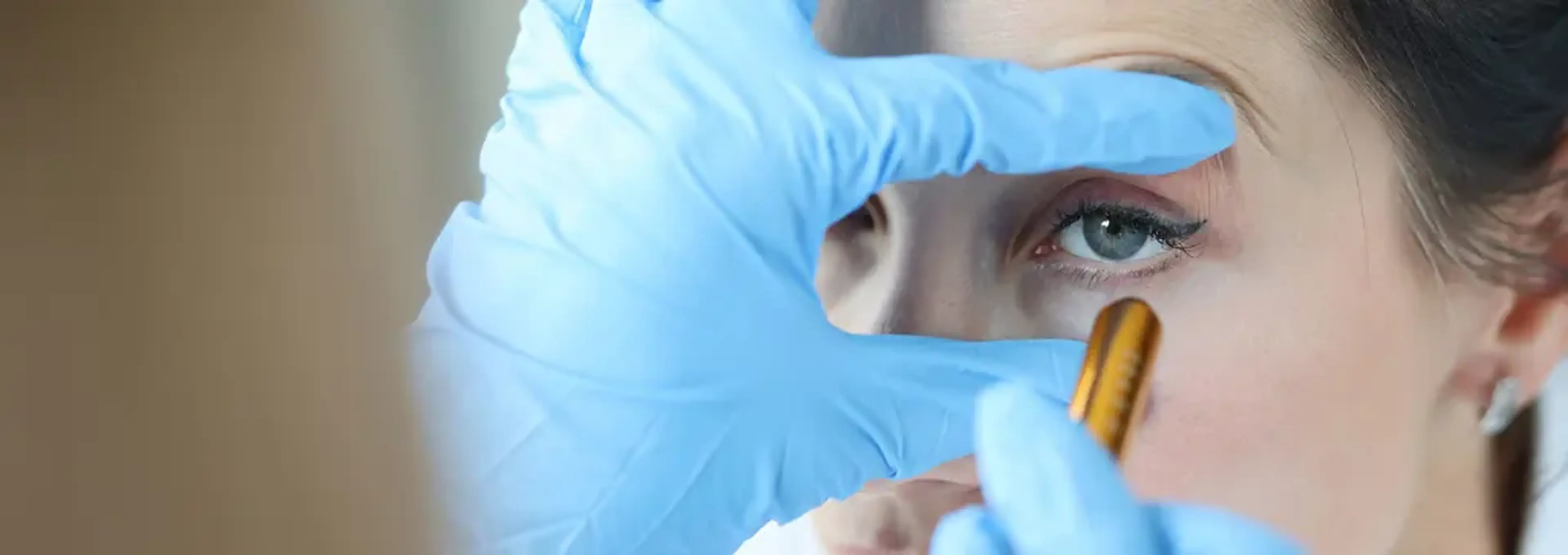
why-routine-eye-exams-matter-more-than-you-thinkAn eye exam is not just a vision test. It’s a comprehensive evaluation of your eye health, including the retina, optic nerve, and even signs of systemic diseases such as diabetes or high blood pressure.
To be honest, most patients are surprised by how much we can learn from a simple eye check. A slit-lamp exam or optical coherence tomography (OCT) scan can reveal microscopic changes in the retina — long before you notice any symptoms.
At GS Eye Center, our diagnostic systems use ultra-high-resolution imaging that maps the eye in detail. These early detections allow our doctors to recommend lifestyle changes, preventive treatments, or surgical options before conditions become irreversible.
Expert Recommendations: How Often Should You Get an Eye Exam?
expert-recommendations:-how-often-should-you-get-an-eye-examHow frequently you need an eye exam depends on your age, vision history, and overall health. While there isn’t a one-size-fits-all answer, most ophthalmologists, including our team at GS Eye Center, align with the following general guidelines:
Children (Under 18)
children-(under-18)When: At 6 months, 3 years, before school, and every 1–2 years after.
Why: Early detection of amblyopia (lazy eye), refractive errors, or misalignment is crucial for visual development.
Children often don’t realize when their vision is off — they simply adapt. That’s why school-age eye screenings alone may not be enough.
Adults (18–40)
adults-(18-40)When: Every 1–2 years if you have no vision problems.
Why: Digital eye strain, contact lens use, and long hours on screens make regular exams more important than most people assume.
In Seoul, where many professionals spend 10+ hours daily in front of computers, we often see patients develop dry eye syndrome or early myopia progression. Regular eye exams help detect and manage these issues early — often before symptoms become bothersome.
Adults (40–60)
adults-(40-60)When: Once a year.
Why: Around this age, presbyopia (age-related near vision loss) begins, and the risk of glaucoma, cataracts, or retinal issues increases.
We typically recommend detailed retinal imaging and intraocular pressure tests starting at age 40. Early glaucoma, for instance, shows no symptoms until significant vision is lost — but with annual exams, we can catch and control it before damage occurs.
Seniors (60+)
seniors-(60+)Many of our senior patients tell us they waited too long before visiting — assuming blurry vision was “just getting older.” In reality, many of these issues are treatable or correctable if detected early.
What Happens During a Comprehensive Eye Exam
what-happens-during-a-comprehensive-eye-exam
At GS Eye Center, a full eye exam takes about 30–60 minutes, depending on your needs. It’s completely non-invasive and pain-free.
Here’s what we typically check:
Vision and Refraction Test: Measures how well you see and identifies nearsightedness, farsightedness, or astigmatism.
Eye Pressure Measurement (Tonometry): Screens for glaucoma risk.
Corneal and Lens Assessment: Detects dryness, early cataract signs, or irregularities.
Retinal Imaging (OCT / Fundus Photography): Provides a detailed map of your retina and optic nerve.
Tear Film Analysis: Especially for patients experiencing dry eyes, common among contact lens users and office workers.
Modern diagnostics allow us to detect changes in microns — smaller than a grain of dust. This precision is what enables truly preventive eye care.
Hidden Conditions Eye Exams Can Reveal
hidden-conditions-eye-exams-can-revealA routine eye check doesn’t just protect your sight — it can also reveal clues about your overall health.
Diabetes: Early diabetic retinopathy can appear before blood sugar levels become dangerously high.
Hypertension: Changes in retinal blood vessels often signal high blood pressure.
Autoimmune Diseases: Inflammation in the eye can reflect underlying systemic issues.
Neurological Conditions: Optic nerve changes may indicate problems like multiple sclerosis or increased intracranial pressure.
In many cases, we’ve referred patients to internists after spotting these subtle signs during an eye exam — a reminder that the eyes truly are windows to the body.
What About People Who’ve Had Vision Correction Surgery?
what-about-people-who've-had-vision-correction-surgeryEven if you’ve had SMILE, LASIK, or lens implant surgery, annual exams remain essential.
Laser vision correction changes the corneal shape but doesn’t eliminate the risk of other eye diseases.
At GS Eye Center, we encourage post-SMILE patients to return for yearly checkups. We monitor corneal stability, dryness, and retinal health to ensure your long-term vision remains stable. Many of our patients find comfort in knowing that their eyes continue to be monitored by the same team that performed their procedure.
Common Misconceptions About Eye Exams
common-misconceptions-about-eye-examsLet’s clear up a few myths we often hear in clinic:
“I see perfectly fine — I don’t need a check-up.”
Vision can stay clear even when disease is developing beneath the surface.
“Online vision tests are enough.”
They measure sharpness, not eye health. Only an in-person exam can check for diseases or pressure abnormalities.
“I’m too young for eye problems.”
Myopia, dryness, and digital fatigue are increasingly common among young adults in Korea’s tech-driven lifestyle.
The Korean Context: Why Annual Eye Exams Are Becoming the Norm
the-korean-context:-why-annual-eye-exams-are-becoming-the-norm
In South Korea, the demand for high-precision eye care has grown rapidly. With longer screen time, earlier onset of myopia, and increased popularity of refractive surgery, more people are choosing annual eye exams as part of their overall health management.
At GS Eye Center, many of our patients — especially busy professionals and students — prefer to combine their routine check-up with preventive counseling. This includes discussions about blue light exposure, workplace ergonomics, and dry eye management.
How GS Eye Center Approaches Preventive Eye Care
how-gs-eye-center-approaches-preventive-eye-careFounded in 2005, GS Eye Center in Gangnam has always emphasized early diagnosis and minimally invasive treatments. Our team, led by Dr. Kim Moo-Yeon, a former professor and globally trained ophthalmologist, uses advanced diagnostic systems such as OCT angiography, wavefront analysis, and tear film imaging to detect microscopic eye changes.
Our philosophy is simple:
“The best treatment begins before symptoms appear.”
By tracking subtle trends over time — like gradual corneal thinning or early lens opacity — we can predict and prevent vision loss before it interferes with daily life. This is especially important for patients with family histories of glaucoma or retinal disease.
What to Expect When You Schedule Your Next Exam
what-to-expect-when-you-schedule-your-next-examPatients visiting GS Eye Center for a comprehensive check-up can expect:
Thorough, same-day testing using advanced imaging equipment.
Clear explanations of results and personalized recommendations.
Stress-free environment, designed for patient comfort and transparency.
Multilingual support for international patients seeking care in Seoul.
Most of our patients finish the entire process — from consultation to detailed diagnostics — within one visit. It’s part of our effort to make world-class eye care both efficient and personal.
When to Schedule Sooner Than a Year
when-to-schedule-sooner-than-a-yearWhile annual exams are sufficient for most, you should see an ophthalmologist sooner if you experience:
Blurry or double vision
Frequent headaches or eye strain
Sudden flashes or floaters
Persistent dryness, pain, or redness
Changes in night vision
These may signal conditions that need immediate attention — from retinal tears to corneal inflammation.
The Bottom Line: Annual Eye Exams Protect More Than Your Vision
the-bottom-line:-annual-eye-exams-protect-more-than-your-visionThink of an eye exam as a yearly “health check” for one of your most important senses. Even if your sight feels perfect, subtle changes can happen without warning — and catching them early makes all the difference.
At GS Eye Center, we believe preventive eye care is the foundation of lifelong vision health. Whether you’re due for your first comprehensive exam or it’s been years since your last, it’s never too early — or too late — to start caring for your eyes with expert guidance.