Introduction
introductionMost people imagine cataracts as a condition that arrives “much later in life.” It’s often associated with our parents or grandparents, not with people still in the peak of their careers or enjoying an active lifestyle in their 50s. Yet, in reality, cataracts don’t wait until retirement age to develop.
At GS Eye Center in Gangnam, we regularly see patients in their early and mid-50s who are surprised to learn that the changes they’ve been noticing — more glare at night, faded colors, or the feeling that their glasses no longer help — are actually the beginnings of cataract.
When we deliver this news, the most common question patients ask is:
“Am I too young for cataract surgery? Or is now the right time?”
The answer doesn’t come down to age alone. It depends on lifestyle demands, professional needs, and how much cataracts are interfering with daily activities. Let’s explore what happens in your 50s, why cataracts are being treated earlier, and whether surgery at this age is premature or perfectly timed.
What Exactly Happens to Your Eyes in Your 50s?
what-exactly-happens-to-your-eyes-in-your-50sBy the time you reach your 50s, your eyes have already undergone decades of change. Around your early 40s, most people begin to notice presbyopia — the natural decline in near vision caused by a stiffening of the eye’s lens. Reading glasses, or progressive lenses, become part of daily life.
By your 50s, the crystalline lens — once flexible and clear — not only continues to lose flexibility, but it also begins to yellow and harden. For some individuals, proteins inside the lens clump together, creating cloudy patches that scatter light instead of focusing it. This process is what we call a
cataract.Patients often describe the experience in relatable ways:
“It’s like looking through a dirty or foggy window.”
“Headlights and streetlights at night have huge halos.”
“Colors don’t pop anymore — everything looks muted.”
“I keep changing my glasses prescription, but nothing feels sharp.”
It’s important to note that cataracts don’t appear suddenly. They develop gradually, sometimes over years, and many people in their 50s are in the “early stages.” Yet even an early cataract can significantly affect vision, especially for people with demanding visual needs, such as professionals who drive frequently, use digital devices extensively, or rely on fine detail in their work.
Why Cataracts Are Being Treated Earlier Today
why-cataracts-are-being-treated-earlier-today
A generation ago, cataract surgery was often delayed until the lens was extremely cloudy — the so-called “ripe” cataract. Patients endured years of blurred vision before surgery was considered appropriate.
Today, that approach has changed for several reasons:
Safety of Modern Surgery – Cataract surgery is now one of the safest procedures in medicine, with success rates above 95%. Micro-incision techniques allow faster healing and minimal discomfort.
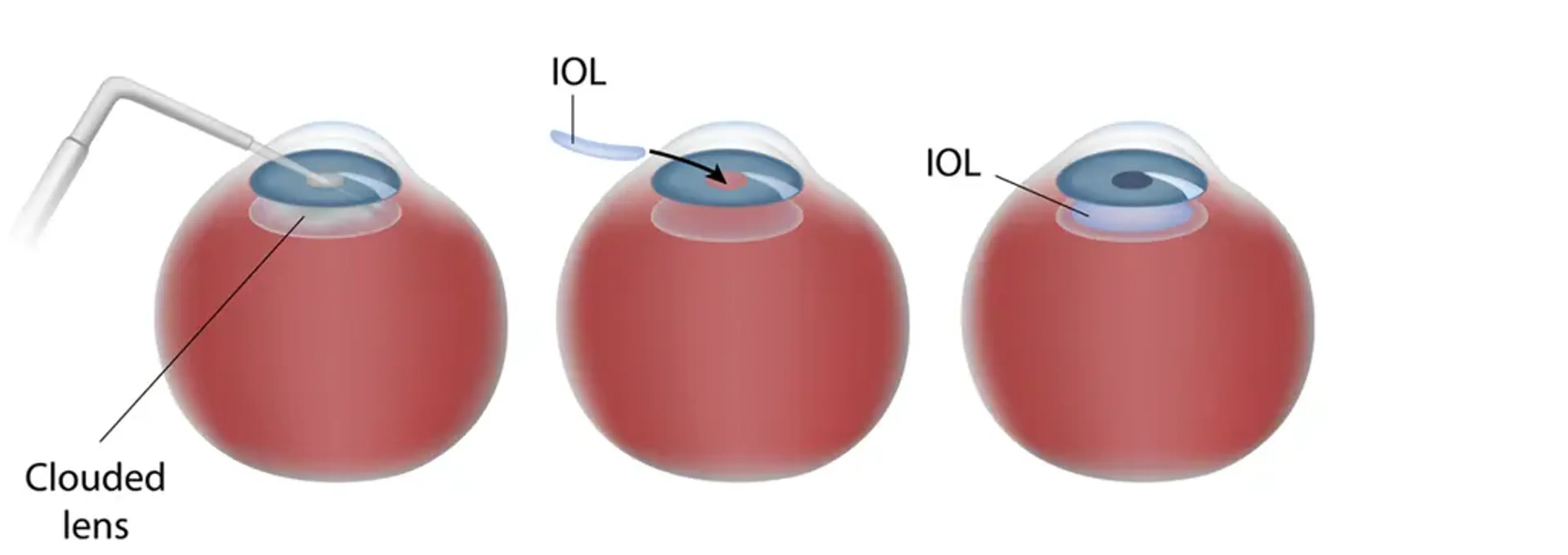
Advanced Intraocular Lens (IOL) Technology – Cataract surgery is no longer only about removing the cloudy lens. It’s also an opportunity to correct refractive errors such as nearsightedness, farsightedness, astigmatism, and presbyopia.
Lifestyle Expectations – People in their 50s are often at the height of their careers and lead active lives. Blurry or compromised vision isn’t something they can “just live with” anymore.
At GS Eye Center, we explain to patients that
modern cataract surgery isn’t simply about restoring what was lost — it’s about upgrading vision. That’s why more patients in their 50s are choosing not to wait until cataracts severely limit their lives.
Is 50 “Too Early” for Cataract Surgery?
is-50-"too-early"-for-cataract-surgeryHere’s the clinical reality: there is no age that is “too early” for cataract surgery. The right time depends on how cataracts are affecting your functional vision.
For example:
A 52-year-old architect who needs sharp vision for design work and struggles with night driving may benefit from early surgery even if the cataract appears “mild.”
A 55-year-old teacher who spends hours reading, preparing materials, and looking at both near and distant objects might find that cataracts disrupt her daily routine.
A 58-year-old retiree who enjoys daytime activities such as walking, gardening, or watching television may find his cataracts less urgent and choose to wait.
The decision isn’t based on how the cataract looks under the microscope. Instead, it’s based on how much the cataract interferes with your ability to live comfortably, safely, and independently.
What Patients Often Overlook: The Diagnostic Stage
what-patients-often-overlook:-the-diagnostic-stageMany patients believe cataract surgery is straightforward — the lens is removed, and a new one is placed. But the reality is that the outcome depends heavily on pre-surgical diagnostics.
At GS Eye Center, we use advanced imaging systems such as:
Corneal topography to assess curvature and detect astigmatism.
Optical biometry for precise eye length and lens power calculation.
Wavefront aberrometry to measure higher-order aberrations that affect night vision and clarity.
Tear film evaluation to ensure ocular surface health for accurate measurements.
These detailed scans help us determine not only whether surgery is needed, but also which lens type is most appropriate — whether monofocal, toric, multifocal, or extended depth of focus (EDOF).
Patients are often surprised when we explain that half the success of cataract surgery comes before the surgery even begins. Precise diagnostics make the difference between average vision and life-changing results.
The Benefits of Cataract Surgery in Your 50s
the-benefits-of-cataract-surgery-in-your-50s
Choosing cataract surgery earlier rather than waiting for advanced disease can offer unique advantages:
Sharper, safer vision for driving – Night glare and halos around headlights are common in early cataract patients. Correcting this in your 50s can reduce stress and accidents.
Better outcomes with premium lenses – Younger eyes typically have healthier structures, making them excellent candidates for advanced intraocular lenses that provide distance and near vision without glasses.
Improved productivity and quality of life – In your 50s, vision plays a critical role in both career performance and leisure activities. Restoring clarity now means fewer limitations.
Freedom from glasses – For many patients, cataract surgery also addresses presbyopia. Choosing multifocal or EDOF lenses can reduce or eliminate dependence on reading glasses — something many people in their 50s find transformative.
Preventing secondary issues – Poor vision from cataracts can increase the risk of falls, eye strain, and headaches. Earlier treatment helps prevent these secondary consequences.
Risks and Considerations
risks-and-considerationsCataract surgery is extremely safe, but no surgery is without risk. Potential complications include infection, corneal swelling, posterior capsule opacity (a common “after-cataract” that can be treated with a quick laser), or, rarely, retinal detachment.
The good news is that these risks are rare, and most patients experience rapid recovery. With modern techniques at GS Eye Center, most return to daily routines within days, and vision stabilizes within 1–2 weeks.
Still, each patient’s eyes are unique, and careful evaluation is needed to decide the best timing and lens choice. That’s why it’s essential to consult with a highly experienced team, such as our
seven board-certified ophthalmologists, led by Dr. Kim Moo-Yeon, who has over two decades of surgical expertise.
A Personal Note from Clinical Experience
a-personal-note-from-clinical-experienceOver 20 years of practice, we’ve seen an important cultural shift. Patients in Korea — especially busy professionals in Seoul — are more proactive about eye health. They no longer see cataract surgery as something to postpone until “old age.” Instead, they see it as an opportunity to regain freedom during the most active decades of their lives.
One patient, a 54-year-old business consultant, delayed surgery because she believed cataracts were only treated “later in life.” But her work required frequent client presentations, and she began struggling with glare and blur. After surgery with a multifocal lens, she not only regained clear vision but was able to do something she hadn’t done in years: read comfortably at night without glasses.
These real-life experiences remind us that cataract surgery isn’t only about medical correction. It’s about restoring independence, confidence, and the ability to enjoy life without visual compromise.
So, Is It Too Early or Just Right?
so-is-it-too-early-or-just-rightIf you’re in your 50s and cataracts are interfering with your vision, the answer is simple: it’s not too early. In fact, this may be the perfect time. By treating cataracts before they progress further, you can take advantage of healthier eye structures, advanced lens technology, and a smoother recovery.
The key is to undergo a comprehensive eye exam that looks beyond just whether a cataract exists. At GS Eye Center, we tailor surgical plans to each patient’s lifestyle, profession, and long-term visual goals.
Final Thought
final-thoughtYour 50s are not “too young” for cataract surgery. On the contrary, they may be the ideal time to address cloudy vision and embrace the benefits of modern lens implants.
If you’ve noticed night glare, frequent prescription changes, or simply a decline in visual quality, consider scheduling a cataract evaluation. At
GS Eye Center in Gangnam, our mission is to help patients make informed, confident decisions through detailed diagnostics, advanced surgical methods, and compassionate care.